How AI Tools Can Help You Build Stronger Soft Skills
When most people think about artificial intelligence (AI), they imagine machines doing technical work — crunching numbers, driving cars, or automating jobs…
By Flavie Okon
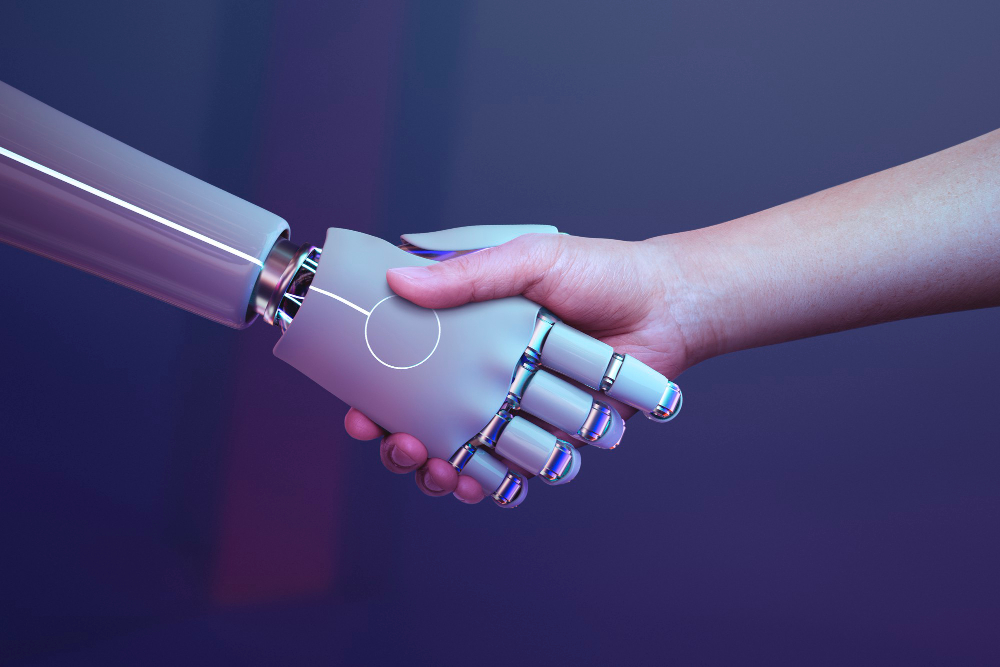
When most people think about artificial intelligence (AI), they imagine machines doing technical work — crunching numbers, driving cars, or automating jobs. But here’s something you may not have thought about: AI can also help people develop soft skills like communication, leadership and emotional intelligence.
These are the skills that matter most in today’s workplace. You might be brilliant at your job, but if you can’t communicate well, listen to others, or show empathy, you’ll struggle to work effectively in a team. That’s why many companies now value soft skills just as much as technical ability.
And now, thanks to AI learning tools, improving your soft skills has become easier and more personal than ever.
Imagine having your own virtual coach that’s always available, always patient, and never tired. That’s what AI-powered learning tools offer. They can create a safe space where you can practise speaking, test out different leadership styles, and even learn how your words and actions affect other people.
For example, some AI tools allow you to practise communication by having a conversation with a virtual assistant. It listens to how you express yourself and then gives you feedback on how clear, confident, and thoughtful you sound. You can repeat the exercise as many times as you like, gradually improving your tone and delivery.
There are also AI tools designed to help build emotional intelligence. These can show you how your words might come across to someone else, helping you better understand the impact of your communication. You may even practise responding to tricky situations — like giving feedback or managing conflict — so that when those moments happen in real life, you’ll feel much more prepared.
Leadership is another area where AI is making a big difference. Many tools now offer interactive leadership challenges where you can practise making decisions in a simulated environment. You see the outcomes of your choices and learn from them — without the risk of affecting a real team. It’s a powerful way to grow your leadership confidence.
One of the great things about AI learning tools is how they adapt to you. If you’re struggling with listening, for example, the tool will offer more practice in that area. If you’re making good progress with empathy, it will move you on to more advanced challenges. This personalised approach keeps you motivated because you’re always working on the areas that matter most to you.
And do these tools actually work? The answer is yes. In fact, many learners report clear improvements after only a few weeks of using AI-based soft skills training. Some say they now feel more comfortable leading meetings. Others have noticed they can handle difficult conversations more calmly. For employers, the benefits are just as clear: stronger teams, better communication, and more positive working environments.
Of course, it’s important to remember that AI is not a magic solution on its own. The best results come when AI tools are combined with human support — whether that’s guidance from a manager, feedback from a mentor, or simply the chance to practise skills with colleagues in the real world. AI is there to support your learning journey, not replace it.
At Learning Films, we’re always exploring new ways to help our learners grow. AI tools offer exciting opportunities to strengthen the human side of our skills — to help us connect, understand, and lead more effectively.
If you’re looking to boost your communication, leadership, or emotional intelligence, why not see how AI-powered learning could help you? It might just be the extra support you need to take your soft skills to the next level.
Learning Films Team